Moving house is often cited as one of life’s most stressful events, but with the right preparation, it doesn't have to be. Whether you are a first-time buyer, upgrading to a larger family space, or renting a new flat, having a comprehensive moving home checklist is the secret to a smooth, stress-free transition.
We’ve combined the top expert advice from industry leaders like Which?, MoneySavingExpert, and the HomeOwners Alliance to bring you the ultimate, step-by-step moving home checklist for 2026.

The key to a successful move is starting early. Use this time to organize the logistics so you aren't rushing at the last minute.
Before you even buy a roll of packing tape, clear out the clutter. Which? recommends sorting your belongings into three categories: Keep, Donate/Sell, and Throw Away. Moving fewer items means lower removal costs and less unpacking later.
HomeOwners Alliance suggests gathering at least three quotes from BAR-registered (British Association of Removers) companies.
Pro tip: Check if you need to arrange parking permits for the removal van at your current or new address.
As highlighted by the Post Office, check if your current home insurance covers your belongings while they are in transit. If not, you may need to purchase additional moving insurance or check if your removals firm provides adequate cover.
MoneySavingExpert warns that setting up a new internet connection can take several weeks. Contact your current provider to either move your existing package to the new address or start comparing new broadband deals for your new postcode.
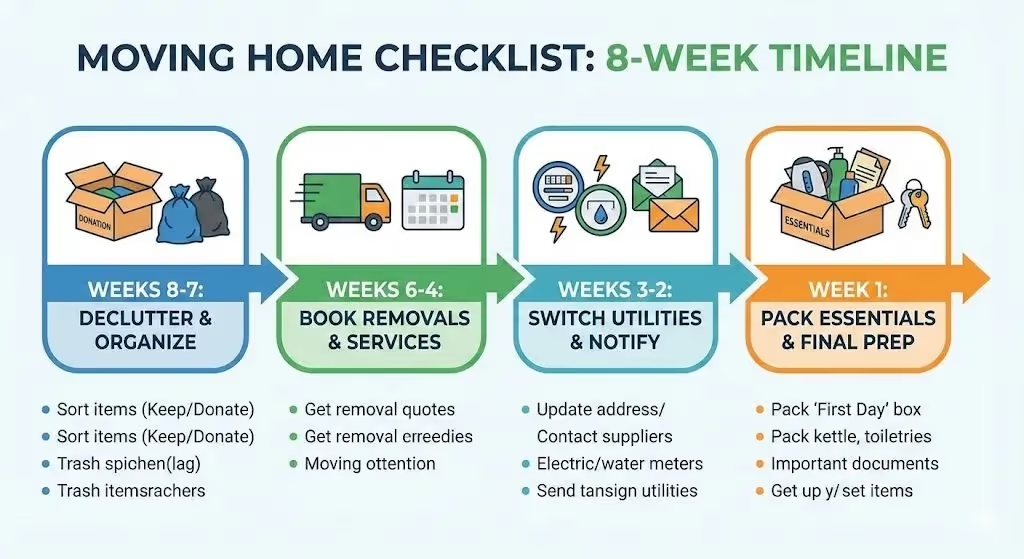
This is when the physical work begins. It’s time to start packing non-essentials and informing key organizations of your new address.
Begin packing rooms you use the least (like the loft, garage, or spare room).
To protect against identity theft and ensure you don’t miss important letters, set up Royal Mail’s Redirection service. The Post Office advises doing this at least five working days before you move, though you can set it up up to three months in advance.
Update your address with the following essential organizations:
Pro Tip: Picking the right moving day is critical to saving money. As we recently advised in the Daily Mail's guide to the busiest moving days, booking your removals company well in advance of the Friday rush can significantly reduce your stress and costs.
The final countdown! Focus on the essentials you need for the first few days in your new home.
This is the most critical packing tip. Pack a clearly marked box (or suitcase) with everything you will need for the first 24 hours.
Try to eat up the contents of your fridge and freezer. Defrost the freezer at least 24 hours before moving day and lay down towels to catch any leaks.
British Gas recommends contacting your gas and electricity suppliers at least 48 hours before you move. Let them know your move-out date and your forwarding address for the final bill.
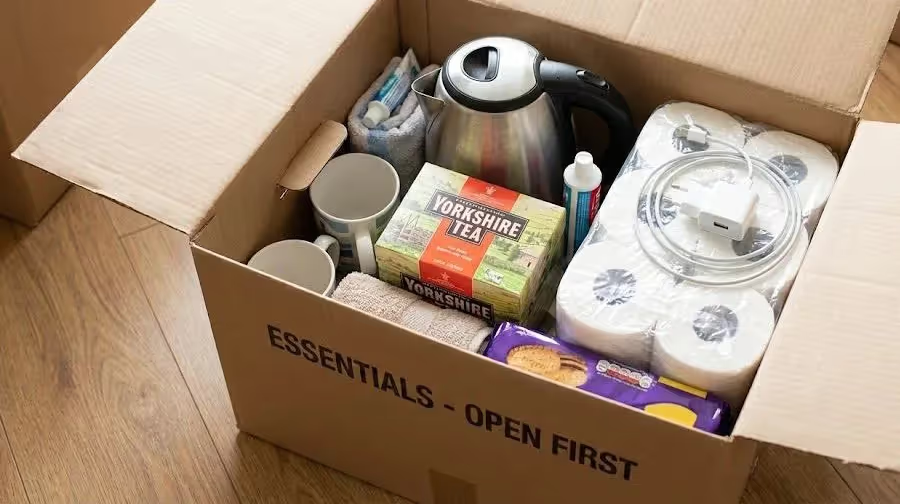
Today is all about executing the plan. Stay hydrated and keep your essentials box close!
Before you hand over the keys, take a photo of your gas, electricity, and water meters. MoneySavingExpert advises keeping these photos as proof so you are only billed for the energy you actually used.
Check every cupboard, drawer, and outbuilding. Ensure all windows are closed, lights are off, and the heating is turned down.
You’re in! But there are a few final tasks to complete before you can fully relax.
You never know who still has a spare key from the previous owners (neighbors, tradespeople, or family members). For peace of mind, arrange for a locksmith to change the exterior locks as soon as possible.
Test all the alarms in the house on your first day to ensure they are working perfectly, replacing batteries if necessary.
When you move into a new property, you are automatically placed on the previous supplier's "deemed" standard variable tariff, which is rarely the cheapest option. Compare energy prices and switch to a better deal.
Moving in the capital comes with its own unique set of logistical hurdles. If you are relocating within the M25, you need to factor in Transport for London (TfL) rules, local borough restrictions, and the city's infamous traffic.
Navigating these strict rules is exactly why partnering with a specialist team for your house removals London is crucial. A local, professional crew will already have ULEZ-compliant vehicles and can handle the heavy lifting of council parking permits on your behalf.
Additionally, property chains in the capital often face delays, or you may find yourself downsizing to a smaller flat. If you have a gap between your move-in dates or simply need to declutter, utilizing integrated moving and storage London services ensures your belongings are kept perfectly safe until you are ready for them.
By following this moving home checklist, you can take the chaos out of moving day. Remember: book your broadband and removals early, tackle your packing room by room, and never pack the kettle at the bottom of a box! Happy moving!
Everyone processes information differently. Whether you prefer listening on the go, watching a breakdown, or scanning visual data, we’ve got you covered. Pick your preferred format below.

In this article, we explain how to avoid feeling overwhelmed while unpacking after a move, with simple tips to help you stay organized and stress-free.

In this blog post, we are explaining to you Sneaky Ways to Save Money Moving Home

In this article, we explain how to safely relocate with a vivarium. Follow these tips to ensure the safe transport of your plants and animals during the move.


