

The Complete Guide to Containerised Storage in London
If you're looking for containerised storage in London, I Like To Move It Move It offers storage solutions with door-to-door collection. Instead of hiring a van and transporting your belongings to a storage facility yourself, you can arrange collection from your property and choose a storage size that suits your needs. Explore our self storage services in London to find out more about available options and pricing.
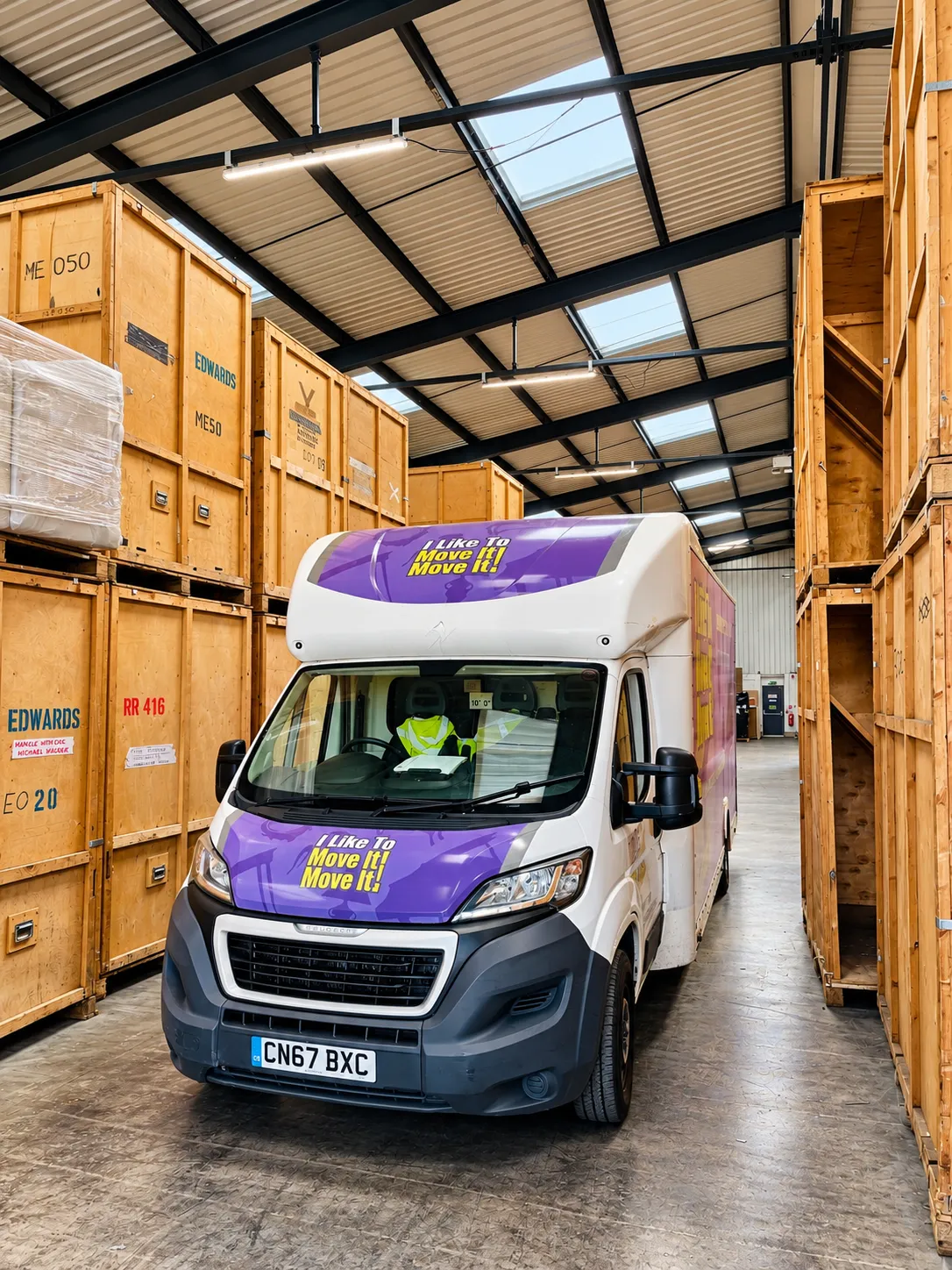
What Is Containerised Storage?
Containerised storage is a way of storing furniture, household belongings and business items inside individual storage containers at a dedicated storage facility or warehouse. Instead of keeping items loose in a shared space, belongings are organised and stored together inside designated containers until they are needed again.
Depending on the storage provider, the service may include collecting belongings from your property, packing them into storage containers, transporting them to a warehouse and arranging their return when required.
Containerised storage is commonly used by people who need additional space during a house move, renovation or decluttering project, as well as businesses looking for somewhere to keep equipment, stock or other items.
How Are Belongings Stored in Containers?
In a containerised storage arrangement, belongings are placed inside individual storage containers or storage vaults. These may be purpose-built wooden containers or other suitable storage units, depending on the provider's facilities.
Once the belongings have been loaded, the containers are transported to a storage warehouse or facility, where they remain until the customer requests their return.
This arrangement keeps belongings grouped together in their designated containers rather than requiring customers to organise and store everything in a shared warehouse space.
Is Containerised Storage the Same as Self-Storage?
The terms containerised storage and self-storage are sometimes used to describe similar storage services. The main difference is often how the service is organised and how customers interact with their stored belongings.
Some self-storage providers offer individual containers or units that customers transport, load and access themselves. Other providers offer a managed storage service where a team collects belongings, loads them into containers and stores those containers inside a warehouse.
In both cases, belongings are kept in designated storage spaces. However, collection arrangements, access, handling and redelivery can vary between providers.
When comparing storage options, it is therefore worth looking beyond the service name and checking exactly how your belongings will be collected, stored and returned.
Who Is Containerised Storage Suitable For?
Containerised storage can be useful for individuals, families and businesses that need somewhere to keep belongings temporarily or for a longer period.
Common situations include:
- Moving house: Keeping furniture and household belongings in storage when moving dates do not line up or a new property is not ready.
- Home renovations: Moving furniture, appliances and other belongings out of the way while decorating or carrying out building work.
- Decluttering: Creating additional space at home by storing belongings that are not needed every day.
- Downsizing: Keeping furniture and personal possessions while deciding what to move into a smaller property.
- Business storage: Storing suitable equipment, furniture, documents or stock when additional business space is needed.
The right storage arrangement depends on how much space you need, how long you plan to store your belongings and whether you need regular access to individual items.
How Does Containerised Storage Work?
Containerised storage usually follows a straightforward process: you arrange storage with a provider, prepare your belongings, have them collected and loaded into designated containers, and arrange their return when you need them.
The exact process depends on the storage company. Some providers manage collection, packing and transportation, while others require customers to load their own containers. Here is how a typical managed containerised storage service works.
Step 1: Get a Storage Quote and Estimate Your Requirements
The first step is to contact a storage provider and explain what you need to store and for how long.
The provider will usually ask about the type and quantity of belongings, the approximate storage volume and whether you need additional services such as packing, collection or delivery.
Based on this information, the provider can recommend a suitable storage arrangement and estimate the number of containers required.
It is worth discussing your expected storage period and any potential need for access before accepting a quote.
Step 2: Prepare Your Belongings for Storage
Before collection, your belongings may need some preparation to ensure they are suitable for storage.
Smaller household items are generally packed into boxes, while furniture may need to be dismantled or protected with appropriate wrapping materials. Appliances and other electrical equipment should also be prepared according to the manufacturer's instructions and the storage provider's guidance.
Some companies offer professional packing services, while others expect customers to prepare their belongings before collection.
Step 3: Collect and Load Your Belongings
Once the collection has been arranged, the next step is getting your belongings into the storage containers.
With a managed containerised storage service, a removals team may visit your home or business, collect the items and load them into designated storage containers. Some providers load the containers directly at your property, while others use a different collection and loading arrangement.
If you are using a service where you load the container yourself, the provider will explain how and when the container needs to be filled before collection.
Step 4: Record and Store Your Belongings
After loading, the containers are transported to the provider's storage facility or warehouse.
Some storage companies prepare an itemised inventory of the belongings before the containers are sealed. This provides a record of the items placed into storage and can make it easier to identify belongings when they are needed again.
The containers are then moved into their designated storage positions within the facility, where they remain until retrieval or delivery is requested.
The exact inventory, sealing and warehouse procedures vary between providers, so it is worth checking what is included in the service.
Step 5: Arrange Access or Redelivery
When you are ready to retrieve your belongings, contact the storage provider to arrange access or delivery.
Depending on the service, you may be able to collect your belongings from the facility or arrange for the provider to deliver them to your home, office or another address.
If you are moving house, for example, you can coordinate the return of your stored furniture and boxes with your moving date.
Make sure you understand the provider's notice requirements and any additional charges for retrieval or redelivery before booking.
Can You Access Your Belongings While They Are in Storage?
Access arrangements depend on how the storage service operates.
With conventional self-storage, customers generally access their rented unit themselves during the facility's permitted opening hours. With managed containerised storage, the containers may be kept inside a warehouse or positioned in a way that requires staff to retrieve them first.
Some providers allow customers to request access in advance, while others arrange delivery of the required belongings.
If you expect to need certain items regularly, discuss this before booking. A storage option with more convenient access may be more suitable for belongings you need frequently.
What Are the Benefits of Containerised Storage?
Containerised storage offers several practical benefits for people and businesses that need additional storage space. By keeping belongings together inside designated containers, this type of storage can reduce repeated handling, simplify transportation and make it easier to manage belongings during a house move, renovation or business relocation.
Here are some of the main advantages of using containerised storage.
Reduced Handling of Your Belongings
One of the main advantages of containerised storage is that it can reduce how often your belongings are handled.
In a managed containerised storage system, furniture and other items are loaded into designated containers before being transported to a warehouse. Instead of unloading everything individually into a storage room, the container itself can be moved into its allocated storage position.
When you need your belongings back, the container can be retrieved and transported to your chosen address.
Fewer handling stages can reduce opportunities for accidental knocks, scratches and damage during transportation and storage. It also helps keep your belongings grouped together rather than having individual items moved around separately.
Collection and Delivery Convenience
Many managed containerised storage services include collection from your home or business and delivery when you need your belongings returned.
This means you may not need to hire a van, transport heavy furniture yourself or organise separate journeys to and from a storage facility.
Depending on the provider and the services included in your quotation, a removals team can collect your belongings, load them into storage containers and arrange their return at a later date.
This can make storage easier to manage, particularly when you are already dealing with the responsibilities of moving house or relocating a business.
More Space at Home or Work
Whether you live in a flat, house or manage a business premises, a lack of available space can become a problem over time.
Containerised storage provides somewhere to keep belongings that you do not currently need but want to retain.
For example, you could store surplus furniture, seasonal decorations, outdoor equipment or household items that are taking up valuable space. Businesses can also use storage to keep excess office furniture, equipment and suitable stock away from their main premises.
Rather than overcrowding your home or workplace, you can keep these belongings in storage until you need them again.
Suitable for House Moves and Renovations
Moving house does not always happen in one straightforward process. You might need to leave your current property before your new home is ready, or renovation work may prevent you from moving all your furniture into the property immediately.
Containerised storage can provide a temporary solution during these situations.
Your furniture, boxes and other household belongings can be collected and kept in storage until your new property is ready. This can also be useful when decorating, carrying out building work or downsizing to a smaller home.
If your removals and storage are arranged through the same provider, it may also be easier to coordinate collection and redelivery around your moving dates.
A Practical Storage Option for Businesses
Businesses sometimes need additional space during office relocations, refurbishments or changes to their working arrangements.
Containerised storage can help keep suitable business belongings organised while they are not required on site.
For example, office desks, chairs, filing cabinets, display equipment and other furniture can be placed into designated storage containers during a refurbishment or relocation.
It can also be useful when businesses are moving in stages and need to keep furniture or equipment stored until different departments or premises are ready.
Flexible Short-Term and Long-Term Storage
Storage requirements vary from one customer to another. Some people need somewhere to keep their belongings for a few weeks during a house move, while others may need storage for several months or longer.
Containerised storage can accommodate different storage periods, depending on the provider's terms and availability.
Before arranging storage, check the minimum booking period, monthly charges, extension arrangements and any costs associated with retrieving or redelivering your belongings. This will help you choose an arrangement that suits your circumstances.
Is Containerised Storage Safe and Secure?
Containerised storage can be a suitable way to keep furniture, household belongings and business items, provided the storage facility has appropriate security measures and maintains suitable storage conditions.
However, security is not just about locking a container. Customers should also consider how the facility controls access, protects belongings from moisture and damage, and handles insurance.
Here are some important things to understand before choosing a containerised storage service.
What Security Measures Should You Look For?
A well-managed storage facility should have appropriate measures in place to prevent unauthorised access and reduce the risk of theft or damage.
Depending on the facility, these may include CCTV, controlled entry systems, secure perimeter fencing, intruder alarms and suitable lighting. Storage containers should also have appropriate locking arrangements to help prevent unauthorised access.
It is worth remembering that individual security measures work best together. For example, CCTV can help monitor activity, while access control helps restrict who can enter the premises.
Before booking, ask the storage provider what security measures are in place, whether CCTV is actively monitored and how access to the storage facility is managed.
Are Belongings Protected from Damp and Moisture?
Protecting belongings from moisture is just as important as protecting them from theft.
Although storage containers and warehouses are designed to hold belongings, unsuitable storage conditions can still lead to damp and condensation.
Condensation can develop when moisture in the air comes into contact with colder surfaces. Over time, this can affect furniture, cardboard boxes, clothing, documents and other moisture-sensitive belongings.
To reduce the risk, belongings should be completely dry before being placed into storage. Customers should also check whether the facility is well maintained, adequately ventilated and inspected for leaks or signs of moisture.
If you are storing wooden furniture, electronics, important documents or other sensitive items, ask the provider about the storage environment and whether any additional protection is available.
Are Belongings Insured While in Storage?
Insurance is another important consideration when choosing a storage provider.
Do not assume that your belongings are automatically covered simply because they are stored at a professional facility. Insurance arrangements vary between providers, and some may require customers to arrange separate cover.
Before booking, check whether insurance is included in the quoted price or charged separately. You should also understand what is covered, the maximum insured value, any excess and whether particular items are excluded.
If you are storing valuable furniture, electronics, business equipment or personal possessions, make sure the insurance cover is appropriate for their replacement value.
It is also worth checking whether your existing home or business insurance policy provides any protection for belongings kept away from your property.
What Should You Check Before Choosing a Storage Provider?
Before placing your belongings into storage, take time to understand how the provider protects and manages its facility.
Here are some useful questions to ask:
- Security: Does the facility have CCTV, access control, alarms and appropriate locking arrangements?
- Access: Who can enter the warehouse or storage area, and how is access managed?
- Storage conditions: Is the facility dry, well maintained and adequately ventilated?
- Moisture protection: How does the provider identify and deal with leaks or condensation?
- Insurance: Are belongings insured, and what exclusions or limits apply?
- Container condition: Are storage containers inspected and maintained regularly?
A professional storage provider should be able to explain its security procedures, storage conditions and insurance arrangements before you make a booking.
Taking the time to check these details can help you choose a storage solution that is appropriate for the belongings you need to keep.
What Can You Store in a Containerised Storage Unit?
Containerised storage can accommodate a wide range of household belongings, furniture and business items. Whether you need to store a few boxes, the contents of an entire home or surplus business equipment, a suitable storage arrangement can help keep your belongings together until you need them again.
However, not every item is suitable for storage. Some belongings require specific preparation, while others may be restricted because of fire, safety or contamination risks.
Here are some common items you can store and the things to consider before placing them into storage.
Can You Store Furniture and Household Items?
Yes. Furniture and general household belongings are among the most common items people place into storage.
Depending on the available space and the provider's requirements, you may be able to store:
- Sofas, armchairs and dining chairs.
- Beds, mattresses and wardrobes.
- Tables, desks and cabinets.
- Bookshelves and other household furniture.
- Kitchenware and boxed household belongings.
- Rugs, carpets and decorative items.
Before storing furniture, make sure it is clean and completely dry. Dismantling larger items where practical can also make them easier to transport and organise inside a storage container.
Use suitable protective covers and wrapping materials to reduce the risk of dust, scratches and accidental damage.
Can You Store Clothes, Books and Personal Belongings?
Clothing, books, luggage and other personal belongings can generally be stored in suitable containers.
Common examples include clothes, shoes, suitcases, books, toys, personal collections and sports equipment.
Before packing, make sure clothing and fabrics are clean and dry. Use suitable boxes or storage containers to keep belongings organised and protected. Books should be packed in sturdy boxes without making them excessively heavy.
If you are storing important documents or valuable personal collections, check the provider's insurance terms and restrictions before booking.
Can You Store Household Appliances and Electronics?
Some storage providers accept household appliances and electrical equipment, including washing machines, tumble dryers, fridges, freezers and televisions.
However, appliances need to be prepared properly before storage.
For example, fridges and freezers should be emptied, defrosted, cleaned and thoroughly dried. Washing machines and dishwashers should be drained according to the manufacturer's instructions to prevent water from remaining inside.
Electronics should be protected from dust, knocks and moisture. If you still have the original packaging, it may be useful for protecting certain items.
Always confirm that the storage provider accepts the appliances or equipment you intend to store.
Can You Store Business Equipment and Stock?
Containerised storage can provide additional space for businesses that need to keep equipment, furniture or stock away from their main premises.
Depending on the provider's requirements, suitable items may include:
- Office desks, chairs and filing cabinets.
- Archive boxes and business documents.
- Retail and e-commerce stock.
- Trade tools and non-hazardous equipment.
- Exhibition stands and display materials.
- Seasonal business inventory.
This can be particularly useful during office relocations, refurbishments or periods when a business needs additional storage space.
If you are storing commercial stock or equipment, check whether your business insurance covers belongings kept in an external storage facility.
Can You Store Seasonal and Outdoor Items?
Seasonal belongings are another common reason people use storage. Items that are only needed at certain times of the year can take up valuable space at home when they are not in use.
Examples include:
- Garden furniture and gardening equipment.
- Bicycles and sports equipment.
- Camping gear and tents.
- Christmas decorations.
- Outdoor toys and inflatable equipment.
- Seasonal clothing and accessories.
Before placing outdoor belongings into storage, clean and dry them thoroughly. Pay particular attention to fabric items, tents and equipment that may retain moisture in folds, seams or enclosed sections.
Storing items when they are completely dry helps reduce the risk of mould, unpleasant smells and moisture-related damage.
What Items Should You Not Put into Storage?
Although many everyday belongings can be stored, certain items are generally prohibited because they can create safety risks or damage other stored property.
Common examples include:
- Flammable materials: Petrol, diesel, gas bottles, solvents and other flammable liquids.
- Hazardous substances: Explosives, toxic chemicals, asbestos and other dangerous materials.
- Perishable goods: Fresh food and other items that may rot, attract pests or produce unpleasant smells.
- Living things: Animals, plants and other living creatures.
- Illegal items: Stolen goods, prohibited substances, weapons and other illegal belongings.
- Leaking or contaminated items: Anything that could leak, release fumes or contaminate the storage environment.
Some providers also restrict cash, jewellery, important legal documents and irreplaceable valuables.
The list of prohibited items varies between storage companies, so always check the storage agreement and ask the provider if you are unsure whether a particular item can be accepted.
How Much Does Containerised Storage Cost?
The cost of containerised storage depends on how much space you need and the type of storage that suits your belongings. At I Like To Move It Move It, storage options start from £2.50 per week for a large moving box, with larger spaces available for furniture, household contents and business storage.
Here is an overview of the available storage options and their starting prices:
Prices are starting rates and may vary depending on your storage requirements. Contact the team for a quote based on the items you need to store.
What Affects the Cost of Containerised Storage?
The amount you pay depends on several factors:
- Storage space required: Larger storage options generally cost more. Choosing the right size helps you avoid paying for space you don't need.
- Storage duration: The length of time you need storage can affect the overall cost.
- Collection and transportation: Check whether collection and transportation are included in your quote.
- Additional services: Packing, special handling and other requirements may affect the final price.
Is Containerised Storage Cheaper Than Self-Storage?
It depends on the amount of space you need and the services included. Different storage providers use different pricing structures, so comparing the weekly or monthly rental price alone may not give you the full picture.
For example, a self-storage unit may require you to arrange your own transport and move your belongings into the facility. A managed storage service may include collection and transportation, depending on the provider and arrangement.
When comparing options, consider the total cost of storage, transportation and any additional services you need.
For a full breakdown of costs, see our guide to self storage prices in London.
How Can You Compare Storage Quotes?
Before choosing a storage provider, check the following:
- The amount of storage space included.
- The weekly or monthly storage charge.
- Any minimum storage period or notice requirement.
- Whether collection and redelivery are included.
- Whether packing or loading assistance costs extra.
- Whether insurance or contents protection is included.
- Any charges for accessing or retrieving belongings.
- Whether VAT, deposits and additional fees are included.
Requesting a clear quote helps you understand the full cost and choose a storage option that suits your belongings and budget.
Containerised Storage vs Self-Storage: What's the Difference?
Containerised storage and self-storage are two popular ways to store household belongings, furniture and business items. However, the terms can describe different storage arrangements depending on the provider.
Some companies use individual containers to store customers' belongings inside a warehouse, while others offer storage units that customers can visit and manage themselves. The main difference is how your belongings are collected, stored, accessed and returned.
What Is the Difference Between Containerised Storage and Self-Storage?
The biggest difference is often the level of involvement required from the customer.
With a managed containerised storage service, a provider may collect your belongings, load them into a storage container and transport the container to a warehouse. Your belongings remain stored there until you arrange their return or retrieval, depending on the service.
With a traditional self-storage arrangement, you usually rent a unit at a storage facility and take responsibility for transporting, loading and organising your belongings. You can generally visit the facility and access your unit during its permitted access hours.
However, these descriptions are not universal. Some self-storage providers also offer collection services, while some container storage facilities allow customers to access their containers.
Containerised Storage vs Self-Storage: Key Differences
These are typical arrangements, not fixed rules. Always check the services and access arrangements offered by the individual provider.
Which Is More Convenient?
The more convenient option depends on how you want to manage your belongings.
Managed containerised storage may suit you if you want to avoid arranging transportation to and from a storage facility. It can be particularly useful when storing furniture and household contents during a house move, renovation or extended period away from home.
Traditional self-storage may be more suitable if you prefer to manage your own storage unit and visit it regularly. It can be useful when you need to add, remove or organise belongings yourself.
Which Storage Option Should You Choose?
Before deciding, consider how often you need access to your belongings, whether you can arrange transportation and how much involvement you want in the storage process.
Choose a service that matches your practical requirements rather than relying on the name used to describe it. Ask the provider how collection works, where your belongings will be stored, whether you can access individual items and how redelivery is arranged.
Understanding these details will help you choose a storage arrangement that suits your home, business and budget.
What Should You Consider Before Choosing Containerised Storage?
Choosing a containerised storage provider involves more than comparing prices. You need to understand how your belongings will be collected, stored, protected and returned when you need them.
Before making a decision, consider the following factors to find a storage solution that suits your belongings, budget and storage requirements.
1. Understand How the Storage Service Works
Start by understanding exactly what the provider offers. Some companies provide empty containers that you load yourself, while others offer managed storage services that may include collection, loading and transportation to a warehouse.
Ask the provider:
- Will my belongings be collected from my property?
- Who is responsible for loading the container?
- Where will my belongings be stored?
- Will my items remain in the same container during storage?
- How do I arrange the return of my belongings?
Understanding the process beforehand helps avoid confusion about what is and isn't included.
2. Choose the Right Storage Size
Estimate how much space your belongings will require before requesting a quote. Choosing a unit that is too small can create problems when loading, while renting more space than necessary may increase your storage costs.
Consider the number of furniture items, boxes, appliances and other belongings you plan to store. If you are storing the contents of an entire property, ask the provider to help estimate the required capacity.
3. Compare the Full Storage Cost
Don't choose a provider based on its advertised weekly or monthly price alone. Check whether the quote includes collection, transportation, loading, insurance and redelivery.
Also ask about minimum storage periods, notice requirements, deposits and any additional charges for accessing or retrieving your belongings.
A detailed quote makes it easier to compare different providers and understand the total cost.
4. Check Access and Retrieval Arrangements
One important consideration is how you will access your belongings during the storage period.
Some containerised storage providers require advance notice before returning items or arranging access. Others may offer different access arrangements depending on the facility and service.
Before booking, find out:
- Whether you can access your belongings during storage.
- How much notice is required.
- Whether you can retrieve individual items or need the entire container returned.
- Whether access or redelivery involves additional charges.
This is particularly important if you expect to need certain belongings regularly.
5. Ask About Security and Storage Conditions
Your belongings may remain in storage for several weeks or months, so it is important to understand how the facility protects them.
Ask about the security measures in place, including CCTV, access control, alarms and container locking arrangements.
You should also understand the storage environment. Check whether the warehouse is protected against damp, moisture, leaks and other conditions that could damage furniture, clothing, electronics or other sensitive items.
6. Understand Insurance and Liability
Before handing over your belongings, check whether insurance or contents protection is included in the storage agreement.
Ask the provider:
- What level of protection is included?
- Is additional cover available?
- Are there limits on the value of stored belongings?
- Are certain items excluded?
- Who is responsible if belongings are damaged or lost?
Read the relevant terms carefully so you understand the provider's responsibilities and any exclusions.
The Self Storage Association UK also explains how insurance for stored belongings works, including how to work out the right level of cover.
7. Check the Contract and Storage Terms
Read the storage agreement before confirming your booking. Pay attention to the minimum storage period, payment schedule, cancellation policy, notice period and conditions for retrieving your belongings.
You should also check what happens if your storage requirements change or you need to extend your booking.
8. Look at Customer Reviews and Reputation
Customer feedback can help you understand how a storage provider handles collections, communication, storage arrangements and redelivery.
Look for reviews that describe experiences similar to your own requirements. Pay attention to recurring feedback rather than relying on one positive or negative comment.
A Quick Checklist Before Booking
Before choosing a provider, make sure you can answer these questions:
- Do I understand how collection and storage work?
- Have I selected the right storage capacity?
- Do I know the complete cost?
- Can I access or retrieve my belongings when needed?
- Have I checked the facility's security and storage conditions?
- Do I understand the insurance arrangements?
- Have I read the contract and cancellation terms?
Taking the time to check these details can help you avoid unexpected costs and choose a storage provider with arrangements that suit your needs.
How Should You Prepare Your Belongings for Storage?
Preparing your belongings properly before placing them into containerised storage can help prevent damage, make items easier to organise and simplify the process when you need them back.
Whether you are storing furniture, household contents, clothing or business equipment, a little preparation can make a significant difference. Here are some practical steps to follow before your belongings go into storage.
1. Clean and Dry Everything Before Storage
Make sure furniture, appliances, outdoor equipment and other belongings are clean and completely dry before packing them.
Dirt, food residue and moisture can cause unpleasant odours, mould or damage when items remain packed away for an extended period.
Pay particular attention to:
- Furniture with fabric upholstery.
- Garden equipment and outdoor furniture.
- Kitchen appliances and cookware.
- Shoes, clothing and textiles.
- Items that have been kept in garages, sheds or damp areas.
Never pack damp clothing, wet equipment or furniture that has not dried properly.
2. Disassemble Large Furniture Where Possible
Taking apart larger furniture can make it easier to pack and use storage space efficiently.
Where possible:
- Remove table legs and detachable furniture parts.
- Disassemble bed frames and wardrobes.
- Remove shelves from bookcases.
- Keep screws, bolts and fittings together in labelled bags.
- Secure removable parts to the relevant furniture where practical.
Keep assembly instructions if you think you may need them when putting furniture back together.
3. Protect Furniture and Fragile Items
Furniture and delicate belongings should be protected before they are placed into storage.
Use suitable protective materials depending on the item:
- Furniture blankets or protective covers for sofas and larger furniture.
- Bubble wrap for fragile objects and delicate surfaces.
- Packing paper for crockery, glassware and ornaments.
- Strong cardboard boxes for smaller household belongings.
- Protective covers for mattresses and upholstered furniture.
Avoid placing heavy items on top of fragile belongings. Make sure furniture is protected against scratches, knocks and dust during handling and transportation.
4. Pack Boxes Carefully and Label Them
Use strong, suitable boxes and avoid making them too heavy to lift safely.
Pack similar items together and fill empty spaces with suitable packing material to reduce movement during transportation.
Label each box with a brief description of its contents and the room it belongs to. For example:
- Kitchen – Plates and cookware
- Bedroom – Winter clothing
- Living room – Books and decorations
- Office – Documents and equipment
You can also number boxes and maintain a simple list of their contents. This makes it easier to identify specific belongings when you eventually retrieve them.
5. Prepare Household Appliances
Household appliances need additional preparation before being placed into storage.
Before storing them:
- Empty refrigerators and freezers completely.
- Defrost and clean appliances where necessary.
- Drain water from washing machines and dishwashers.
- Allow appliances to dry thoroughly.
- Secure removable parts and loose accessories.
- Follow the manufacturer's instructions for transportation and storage.
Check with your storage provider before storing large appliances, as acceptance requirements may vary.
6. Keep Important and Frequently Needed Items Separate
Think about what you may need during the storage period before packing everything away.
Keep essential documents, medication, valuables, keys and frequently used personal belongings separate rather than placing them in long-term storage.
If you expect to need certain items regularly, discuss access arrangements with your storage provider before booking.
7. Create an Inventory of Your Belongings
An inventory can help you keep track of everything you have placed into storage.
You do not need complicated software. A simple spreadsheet or document listing your boxes, furniture and other stored belongings can be enough.
Consider including:
- Box number or item reference.
- Description of the contents.
- Quantity.
- Condition before storage.
- Photographs of valuable or delicate items.
Taking photographs before packing can also help you document the condition of your belongings.
Final Checklist Before Storage
Before your belongings are collected or transported to a storage facility, check that:
- Everything is clean and completely dry.
- Furniture is disassembled where practical.
- Fragile belongings are properly protected.
- Boxes are securely packed and labelled.
- Appliances are emptied, cleaned and prepared.
- Important belongings are kept separately.
- You have created an inventory of stored items.
- You have checked the provider's list of prohibited items.
Good preparation helps reduce the risk of damage and makes it easier to manage your belongings throughout the storage period.
Is Containerised Storage Suitable for Winter Storage?
Winter is a good time to think about storing belongings that you will not need for several months. Garden furniture, outdoor equipment, summer clothing and other seasonal items can take up valuable space at home, particularly when they are not being used.
Containerised storage can provide a practical place to keep these belongings until the warmer months return. However, the suitability of a storage facility depends on its construction, location, ventilation and protection against moisture.
What Items Can You Store During Winter?
Many belongings used mainly during spring and summer can be prepared and placed into storage during the colder months.
Common examples include:
- Garden furniture: Outdoor tables, chairs, parasols and removable cushions can be stored when they are no longer needed.
- Gardening equipment: Clean and dry tools, garden accessories and suitable equipment can be put away until the next gardening season.
- Outdoor toys and inflatables: Clean, completely dry paddling pools, inflatables and outdoor toys can be stored to free up space.
- Bicycles and sports equipment: Bikes and seasonal sports equipment can be stored when they are not in regular use.
- Summer clothing: Seasonal clothing, footwear and accessories can be packed into suitable containers or boxes.
- Outdoor decorations: Seasonal garden decorations and other items can be kept together until they are needed again.
Always check the provider's accepted and prohibited items before arranging storage.
How Should You Prepare Seasonal Belongings for Winter Storage?
Preparing belongings properly is particularly important when they will remain packed away for several months.
Follow these practical steps:
- Clean everything: Remove dirt, mud, food residue and other debris from outdoor furniture and equipment.
- Allow items to dry completely: Never pack wet cushions, textiles, garden equipment or inflatables.
- Protect furniture: Use suitable furniture covers or protective blankets to reduce the risk of scratches and dust.
- Prepare outdoor equipment: Follow the manufacturer's storage instructions for garden machinery and other equipment.
- Pack textiles carefully: Wash and thoroughly dry seasonal clothing before placing it in suitable storage bags or boxes.
- Label your boxes: Identify seasonal belongings clearly so you can find them when the weather improves.
Can Cold Weather or Damp Damage Stored Belongings?
Cold temperatures are not the only concern when storing belongings during winter. Moisture, condensation and poor ventilation can also create problems.
Wooden furniture may be affected by changes in moisture levels, while damp clothing, upholstery and cardboard packaging can develop unpleasant odours or mould.
Before choosing a provider, ask about the storage environment and whether the facility is protected against rainwater, leaks, damp and condensation. If you are storing particularly sensitive belongings, ask whether temperature or humidity controls are available.
Do not assume that every shipping container or warehouse provides climate-controlled conditions.
What Should You Check Before Choosing Winter Storage?
If you plan to store belongings throughout winter, consider the following:
- Is the storage facility protected against water ingress?
- How does the provider manage damp and condensation?
- Are the containers or storage areas suitable for the belongings you want to store?
- Are there restrictions on outdoor equipment or other seasonal items?
- Can you retrieve your belongings when the next season begins?
- Are insurance and protection arrangements clearly explained?
The answers will help you understand whether the facility is suitable for your particular belongings.
Is Winter a Good Time to Declutter Your Home?
Winter can be a convenient opportunity to organise your home and put away belongings that are unlikely to be needed for several months.
If you are storing garden furniture, summer equipment or seasonal household items, containerised storage may help free up space without requiring you to dispose of belongings you intend to use again.
Just make sure everything is properly prepared and that the storage conditions are appropriate for the items you plan to keep.
Is Containerised Storage Suitable for Moving House?
Moving house often involves coordinating several tasks at once, from packing belongings and arranging removals to preparing your new property. Sometimes, the dates do not line up perfectly, or you may need somewhere to keep your belongings while waiting for your new home to become available.
Containerised storage can help bridge this gap by providing a place to keep furniture, household contents and personal belongings between properties.
When Might You Need Storage During a House Move?
There are several situations where temporary storage can make moving home easier.
- A gap between moving dates: If you need to leave your current property before you can move into your new home, storage can provide a temporary solution.
- Delays in completing a property purchase: If your moving date changes unexpectedly, you may need somewhere to keep your belongings until the new property is ready.
- Renovating your new home: Storing furniture and household contents can give contractors more room to work and help protect your belongings during renovation.
- Downsizing: If you are moving into a smaller property, storage gives you time to decide which belongings to keep, sell or donate.
- Moving abroad: If you are relocating overseas temporarily or permanently, you may need somewhere to store belongings that you are not taking with you.
- Staggered house moves: If you are moving in stages, storage can help keep belongings organised until you are ready to move everything into your new property.
How Does Containerised Storage Help During a House Move?
Depending on the provider, containerised storage may include collection of your belongings, transportation to a storage facility and redelivery when your new property is ready.
This can reduce the need to arrange separate transportation to and from a storage facility.
Another potential advantage is that belongings may remain inside the same container during storage, reducing the need to unload and reload everything between locations. However, this depends on the provider's storage process.
How Long Should You Store Your Belongings During a Move?
The right storage period depends on your moving circumstances.
Some people only need storage for a few days or weeks between properties, while others may need several months while waiting for renovations or other arrangements to be completed.
Before booking, check the provider's minimum storage period, payment arrangements and process for extending your booking if your moving date changes.
What Should You Consider When Choosing Storage for a House Move?
Before arranging storage, consider the following:
- Estimate the amount of furniture and household contents you need to store.
- Confirm whether collection and redelivery are available.
- Check how much notice is required to arrange delivery.
- Ask whether you can retrieve individual belongings during storage.
- Confirm the total storage and transportation costs.
- Check the facility's security, storage conditions and insurance arrangements.
- Keep essential documents, valuables and everyday necessities separate.
Is Containerised Storage Worth Considering When Moving House?
If your moving dates do not align, your new home needs renovation or you simply need more time to organise your belongings, containerised storage can be a practical option.
The most suitable arrangement will depend on how much you need to store, how long you need storage and whether you want to manage transportation yourself or use a provider that offers a collection and redelivery service.
FAQ's About Containerised Storage
What Is Containerised Storage?
Containerised storage involves keeping belongings inside individual storage containers at a dedicated storage facility or warehouse. Depending on the provider, the service may include collection, transportation, storage and redelivery.
How Does Containerised Storage Work?
The process usually involves estimating your storage requirements, preparing your belongings, loading them into a container and transporting the container to a storage facility. When you need your belongings back, you arrange access or redelivery according to the provider's terms.
How Much Does Containerised Storage Cost in London?
The cost depends on the amount of space you need, the storage period and the services included. At I Like To Move It Move It, storage options start from £2.50 per week, with larger storage spaces available from £10, £20, £38 and £58 per week. Contact the team for a quote based on your requirements.
Is Containerised Storage Cheaper Than Self-Storage?
It depends on the provider, storage capacity and services included. Some self-storage facilities offer lower rental prices but require you to arrange transportation and loading yourself. Managed containerised storage may include additional services such as collection and transportation. Compare the complete cost before deciding.
Is Containerised Storage Safe?
The level of security depends on the storage provider and facility. Before booking, ask about CCTV, access control, alarms, container locks and other security arrangements. You should also check the insurance and liability terms.
Can I Access My Belongings While They Are in Storage?
Access arrangements vary between providers. Some require advance notice to retrieve belongings or arrange access, while others offer more direct access to storage units. Check whether you can retrieve individual items or need the entire container returned.
Can I Store Furniture in a Container?
Yes, furniture is commonly stored in containerised storage. Sofas, beds, tables, chairs, wardrobes and other household furniture can generally be suitable, provided they are accepted by the storage provider. Clean and dry furniture and use suitable protective covers before storage.
Can I Store Clothes and Household Items?
Clothing, books, kitchenware, toys and many other household belongings can generally be stored. Make sure textiles are clean and completely dry, and use suitable boxes or protective packaging to keep items organised.
Can I Store Electrical Appliances?
Some providers accept household appliances such as refrigerators, washing machines and dishwashers. However, appliances need to be emptied, cleaned and dried properly before storage. Check the provider's requirements before arranging storage.
Are Storage Containers Damp-Proof?
Not necessarily. Protection against moisture depends on the container, warehouse environment, ventilation and maintenance. Ask the provider how it manages damp, condensation and water ingress, particularly if you plan to store wooden furniture, textiles or electronics.
Can I Store Belongings During Winter?
Yes, seasonal belongings such as garden furniture, bicycles, outdoor equipment and summer clothing can be suitable for winter storage. Make sure everything is clean and completely dry before packing, and check that the storage environment is appropriate for the items.
How Long Can I Keep My Belongings in Containerised Storage?
The storage period depends on the provider's terms. Some services accommodate short-term storage, while others offer longer arrangements. Check minimum booking periods, payment schedules and notice requirements before confirming your booking.
What Items Cannot Be Stored in a Container?
Commonly prohibited items include flammable liquids, fuels, gas cylinders, explosives, hazardous chemicals, perishable food, living animals and illegal substances. Restrictions vary between providers, so always check the storage agreement before packing your belongings.
Is Containerised Storage Suitable for Moving House?
Yes. It can be useful when there is a gap between moving dates, when a new property needs renovation or when you are downsizing. Depending on the provider, collection and redelivery may also be available to simplify the moving process.


